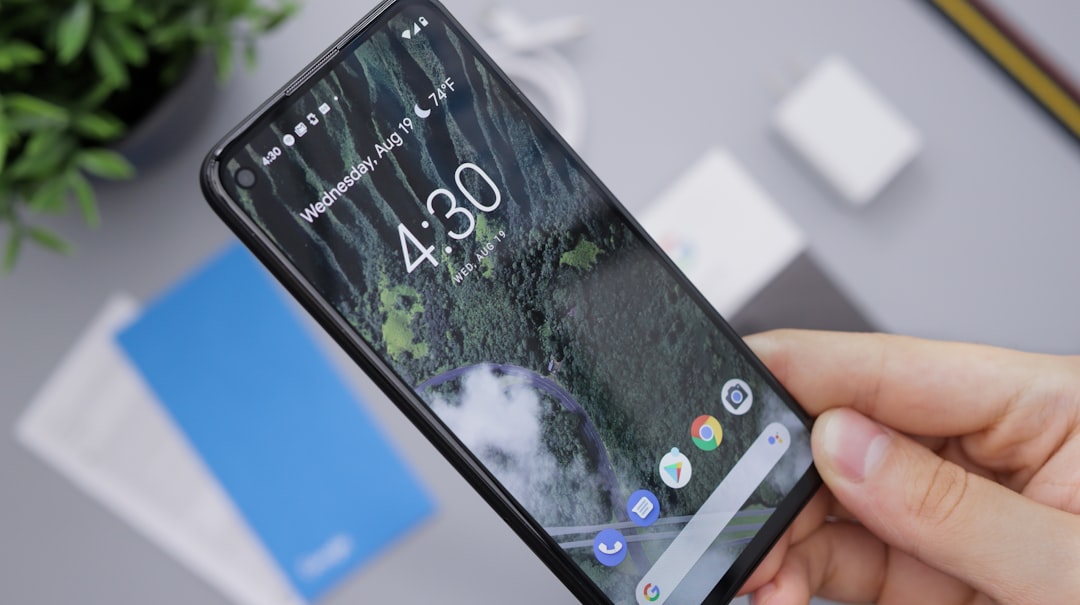
Robocalls, though useful for businesses, have become a significant source of consumer frustration in Maine due to restrictive laws like the Telephone Consumer Protection Act (TCPA). Maine's Attorney General's Office investigates telemarketing complaints. Robocall lawyers in Maine interpret and enforce these regulations, assisting both consumers and businesses. Mobile apps like Call Blocker, Hiya, TrueCall, and NoCall combat robocalls, but no single solution is foolproof. A multi-layered approach combining app utilization, smartphone settings adjustments, and proactive measures is recommended by robocall lawyers Maine. Key tactics include using call blocking apps and enhancing smartphone features to minimize unwanted calls. Staying informed about emerging scams and best practices significantly reduces exposure to robocalls, enhancing privacy and security.
Mainers face a growing nuisance in their daily lives: robocalls. These automated phone calls, often promoting goods, services, or even scams, have become a widespread irritant. The problem is multifaceted, with call blockers on landlines not always effective against sophisticated robocallers. However, mobile apps offer a robust solution.
This article, crafted by robocall lawyers Maine residents trust, delves into the most efficient mobile app tools to combat this modern nuisance. We provide actionable insights tailored for Mainers seeking to reclaim their phone lines from unwanted interruptions, empowering them with the knowledge and resources to block robocalls effectively.
Understanding Robocalls and Maine's Legal Framework

Robocalls have become a pervasive and often annoying aspect of modern life, with millions of Americans receiving unwanted automated calls daily. These pre-recorded or artificial messages are used for marketing purposes by businesses seeking to reach potential customers en masse. While some robocalls offer valuable services or information, many fall into the category of nuisance calls, leading to consumer frustration. In Maine, as in many states across the nation, these automated communication practices have sparked concern among residents who want more control over their phone lines.
Understanding the legal framework surrounding robocalls is essential for Mainers looking to protect themselves from unwanted intrusions. The Telephone Consumer Protection Act (TCPA) is a federal law designed to curb excessive robocalling and provide consumers with privacy rights regarding telephone solicitations. According to the TCPA, businesses must obtain prior express written consent from recipients before placing automated calls for marketing purposes. Maine has also enacted its own laws reinforcing these protections, ensuring that residents can take action against persistent or unlawful robocalls. The state's Attorney General's Office actively investigates complaints related to telemarketing practices, empowering citizens to report suspicious activity through dedicated channels.
Robocall lawyers in Maine play a crucial role in interpreting and enforcing these regulations. They assist consumers in understanding their rights and help businesses navigate the legal requirements to avoid costly lawsuits or penalties. With the TCPA's strict penalties for violations, it is essential for both parties to stay informed and compliant. This proactive approach not only safeguards Mainers' privacy but also fosters a fair and transparent marketplace by discouraging aggressive telemarketing tactics. By staying aware of their rights and responsibilities, residents can actively contribute to a more user-friendly communication environment.
Top Mobile Apps to Block Calls in Maine

Mainers now have powerful tools at their fingertips to combat the growing nuisance of robocalls, thanks to a range of mobile apps designed specifically for this purpose. These applications offer an effective and user-friendly way to manage unwanted calls, providing much-needed relief from the deluge of automated messages that often plague consumers. Among the top performers in this space are Call Blocker and Hiya, which have garnered significant popularity due to their robust features and reliable performance.
Call Blocker, for instance, employs advanced AI algorithms to identify and block robocalls with impressive accuracy. It allows users to customize blocking settings based on caller ID, time of day, or even specific phone numbers. This level of customization ensures that Mainers can tailor their defenses against robocalls, blocking only the calls they wish to avoid while allowing important communications to go through. The app also provides detailed call history and analytics, empowering users with insights into the types of calls they receive most frequently. Moreover, Call Blocker integrates seamlessly with various contact lists and messaging apps, enhancing its effectiveness.
Another standout app, Hiya, takes a community-driven approach to robocall blocking. By leveraging crowd-sourced data, Hiya continually updates its extensive database of known spammer numbers. Users can report calls as spam within the app, contributing to this collective intelligence network. This collaborative effort ensures that the app remains highly effective in blocking emerging robocall trends and techniques. Hiya also offers a range of additional features, such as call screening and automated call answering, providing users with greater control over their communication experiences.
In addition to these top apps, Maine residents can explore other reputable options like TrueCall and NoCall. Each offers unique advantages, including advanced blocking algorithms, call filtering, and user-friendly interfaces. When selecting an app, it's advisable to consider factors such as ease of use, customization options, and privacy policies. Engaging the services of robocall lawyers Maine can also be a strategic move for those facing relentless or aggressive robocalling campaigns, offering legal recourse and guidance tailored to Maine's specific regulations.
Implementing Effective Strategies: Protecting Yourself from Robocalls
Mainers now have access to a variety of mobile apps designed to combat the growing issue of robocalls. While these apps offer a degree of protection, it's important to understand that no single solution is foolproof. Robocall lawyers Maine advise that an effective strategy involves a multi-layered approach combining app utilization with smart phone settings and proactive measures.
One widely recommended tactic is to utilize call blocking apps specifically designed to identify and prevent robocalls. These applications analyze caller ID data, patterns, and known robocaller lists to automatically block or redirect suspected automated calls. Examples include TrueCall, Hiya, and NoCall. It's crucial, however, to keep these apps updated and review their accuracy rates, as false positives can occur.
In addition to app-based solutions, Maine residents should take advantage of enhanced caller ID features available on most smartphones. Enabling "Do Not Disturb" modes during peak robocall hours and configuring specific contact lists for prioritization can further minimize unwanted calls. Utilizing the "Block This Caller" feature within your phone's settings is another effective measure.
Robocall lawyers Maine emphasize that staying informed about emerging scams and best practices remains paramount. By combining these technological tools with diligent personal measures, Mainers can significantly reduce their exposure to robocalls and enjoy a greater sense of privacy and security.