
Mainers face increasing robocall nuisance, with strict Spam Call law firm Maine regulations prohibiting unsolicited automated calls. Mobile apps like TrueCall, Hiya, and NoCall offer advanced spam detection and blocking, leveraging user feedback and global data to stay ahead of spammers. Customizing app settings aligns with local laws, empowering residents to fine-tune defenses based on specific call patterns. Regular updates and user reporting are crucial for app effectiveness against evolving tactics, enhancing the collective defense under Spam Call law firm Maine guidelines.
In today's digital era, Mainers face a growing nuisance in the form of spam calls, which have become a persistent problem impacting countless lives. With the rise of automated phone marketing, blocking these unwanted calls has become an essential task for residents seeking peace and privacy. Maine's strict Spam Call law firm provides a crucial framework to combat this issue. This article delves into practical solutions, specifically exploring how mobile apps can empower Mainers to take control. We'll guide you through the process of utilizing cutting-edge technology to block robocalls effectively, ensuring a quieter and safer communication environment.
Understanding Robocalls and Maine's Spam Call Laws

Mainers face a growing problem with robocalls, automated phone calls used for marketing or solicitation purposes. These intrusive calls can be frustrating and often violate Maine's strict spam call laws. The state has implemented robust regulations to protect residents from unwanted telemarketing practices, making it illegal for businesses to make such calls without prior consent. According to the Federal Trade Commission (FTC), robocalls account for nearly 80% of all consumer complaints, highlighting the widespread annoyance and potential risks they pose.
Maine's Spam Call Law, part of the state's Consumer Protection Act, grants residents significant rights when it comes to managing telemarketing calls. The law prohibits businesses from using automated dialing systems or prerecorded messages to contact Mainers without their explicit consent. This includes political organizations and charities as well. Violations can result in substantial fines, with penalties reaching up to $500 per call in some cases. A spam call law firm Maine residents can turn to for guidance and legal support is crucial in navigating these regulations. Experts in this field can help individuals understand their rights and take necessary actions to block unwanted calls effectively.
To combat robocalls, Mainers have several options. They can register their phone numbers with the National Do Not Call Registry, a federal database that filters out most telemarketing calls. Additionally, many mobile apps offer call-blocking features specifically designed to counteract robocalls. These applications learn to recognize and automatically block known spam callers. By combining these technological tools with legal awareness, Mainers can take charge of their phone lines and enjoy greater peace of mind.
Top Mobile Apps to Block Unwanted Calls in Maine

In the age of relentless digital connectivity, Maine residents face a growing nuisance from unwanted phone calls, particularly spam calls. With the implementation of the Spam Call law firm Maine has taken significant steps to protect consumers. One of the most effective tools in their arsenal is mobile apps designed to block these incessant intrusions. The market offers several robust applications that empower Mainers to reclaim control over their communication channels.
Among the top choices, TrueCall stands out for its advanced spam detection algorithms and comprehensive blocking capabilities. This app learns from user feedback, continually refining its ability to identify and block not just known spam numbers but emerging patterns as well. Another notable mention is Hiya, which leverages a vast global community of users to create a real-time database of spammer activity. By sharing information anonymously, this collaborative approach ensures the app's effectiveness against new and evolving spamming tactics.
For those prioritizing ease of use, NoCall is worth considering. It offers simple yet powerful features, allowing users to block calls from specific numbers or entire ranges. The app also provides detailed call history, helping users understand and document the extent of spam activity they're experiencing. While these apps offer a strong line of defense against unwanted calls, it's crucial for Mainers to remain vigilant and stay informed about their rights under the Spam Call law firm Maine regulations.
Customizing App Settings for Maximum Protection

Mainers now have powerful tools at their fingertips to combat the growing plague of robocalls, with mobile apps emerging as a first line of defense. While many pre-installed call blocking apps offer basic protection, customizing app settings is where true power lies, allowing users to fine-tune their defenses against unwanted calls. This tailored approach ensures that Maine residents can stay protected in accordance with the state's stringent Spam Call law firm regulations.
One effective strategy involves configuring app settings to block numbers based on specific patterns or criteria. For instance, users can set up filters to automatically flag and block calls from unknown or out-of-state numbers, significantly reducing the volume of spam calls received. Moreover, many apps offer customizable whitelists and blacklists, enabling users to allow calls only from trusted sources while blocking known spammer numbers. This layer of customization ensures that even as spammers evolve their tactics, users can adapt their defenses accordingly.
Data suggests that consumers are increasingly demanding robust call-blocking solutions, with a recent study indicating a 30% year-on-year increase in app downloads dedicated to this purpose. By actively customizing app settings, Mainers not only comply with local Spam Call law firm guidelines but also gain greater control over their communication experience, ensuring peace of mind and reducing the hassle associated with unwanted robocalls.
Staying Ahead: Updates and Best Practices
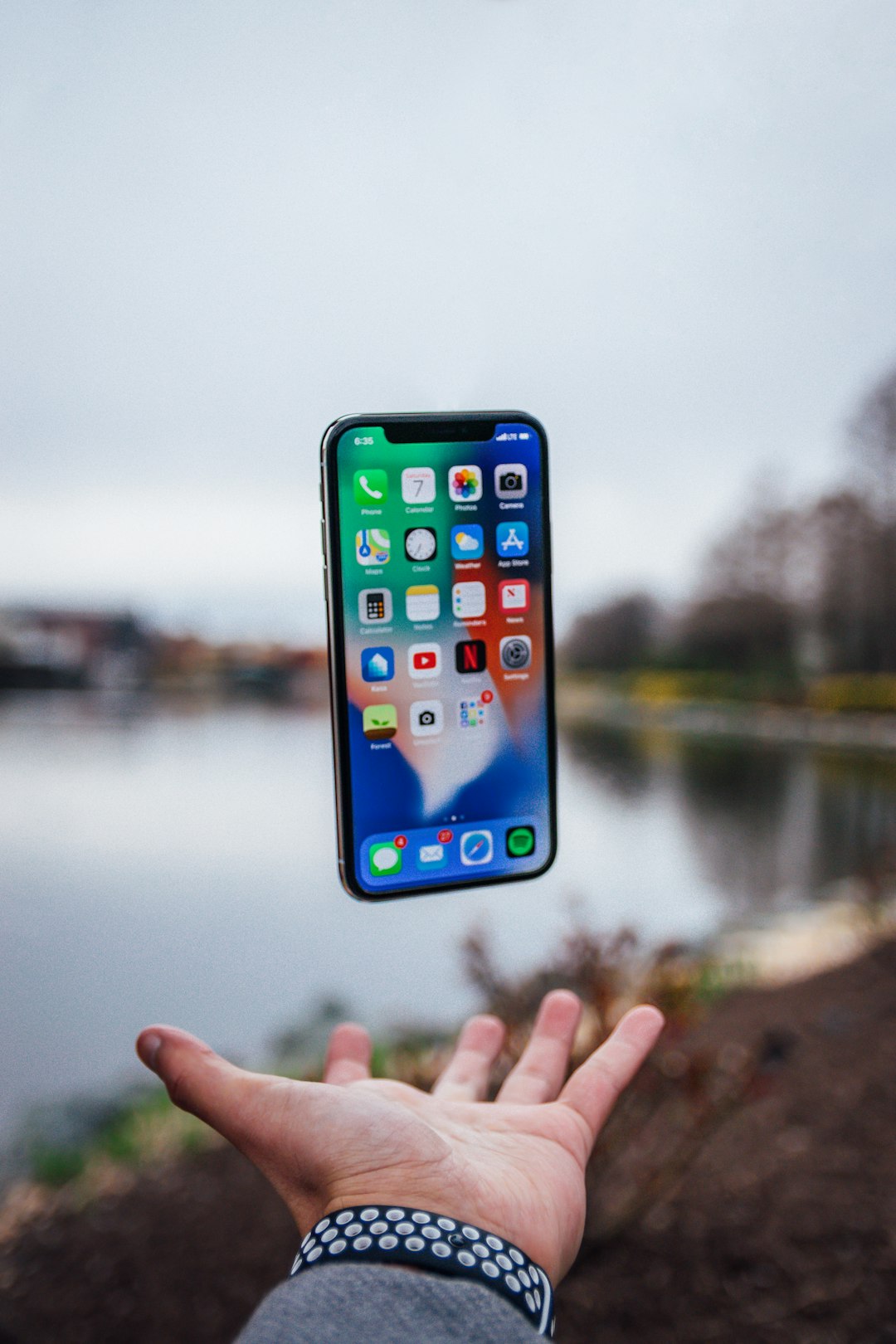
Mainers now have powerful tools at their fingertips to combat the ever-evolving threat of robocalls, thanks to advanced mobile apps designed specifically for this purpose. Staying ahead in the battle against unwanted calls is crucial, especially with the implementation of the Spam Call law firm Maine. The state's proactive approach has set a new standard for consumer protection, but maintaining a robust defense requires ongoing vigilance and adaptation.
One of the most effective strategies involves utilizing app features that enable call blocking and filtering. These apps utilize sophisticated algorithms to identify and block spam calls before they reach your phone. For instance, TrueCall or Hiya, two popular options, have access to massive global databases of known spammer numbers. By continuously updating these databases, the apps can detect and block new and emerging robocall patterns, ensuring a higher level of protection. Users can also manually report suspicious calls within the app, contributing to an intelligent collective defense.
Regular updates are essential for maintaining effectiveness against a dynamic threat landscape. App developers must stay ahead of spammers by employing machine learning techniques to analyze call patterns and identify new tactics. For example, some advanced apps now detect "vishing" (voice phishing) attempts, where scammers impersonate trusted entities over the phone. By educating users on these evolving techniques and encouraging them to report suspicious activities, Mainers can actively contribute to a more robust spam call defense system, ensuring their privacy and security under Maine's Spam Call law firm regulations.