
Maine's strict robocall laws aim to protect residents from unwanted automated calls, with businesses needing explicit consumer consent for telemarketing. Consumers can combat robocalls using blocking apps like TruthFinder and CallGuardian, which offer advanced AI filtering, customizable blocklists, and automatic updates. App selection should consider features like call identification, reporting, and regular updates to adapt to evolving scams. Combining app tools with best practices ensures enhanced protection under Maine's regulatory framework.
In today's digital age, robocalls have become a pervasive and often unwanted nuisance. With advancements in technology, scammers and telemarketers are finding new ways to reach consumers, particularly in Maine, where strict robocall laws aim to protect residents from these intrusive calls. As these regulations evolve, so does the need for robust solutions—enter robocall blocking apps. This article provides an authoritative guide to the best options available in Maine, empowering residents with the tools to reclaim their peace of mind and control over their phone lines. By exploring expert-recommended apps, we aim to offer genuine value and assistance in navigating this modern challenge.
Understanding Robocalls and Maine's Legal Framework
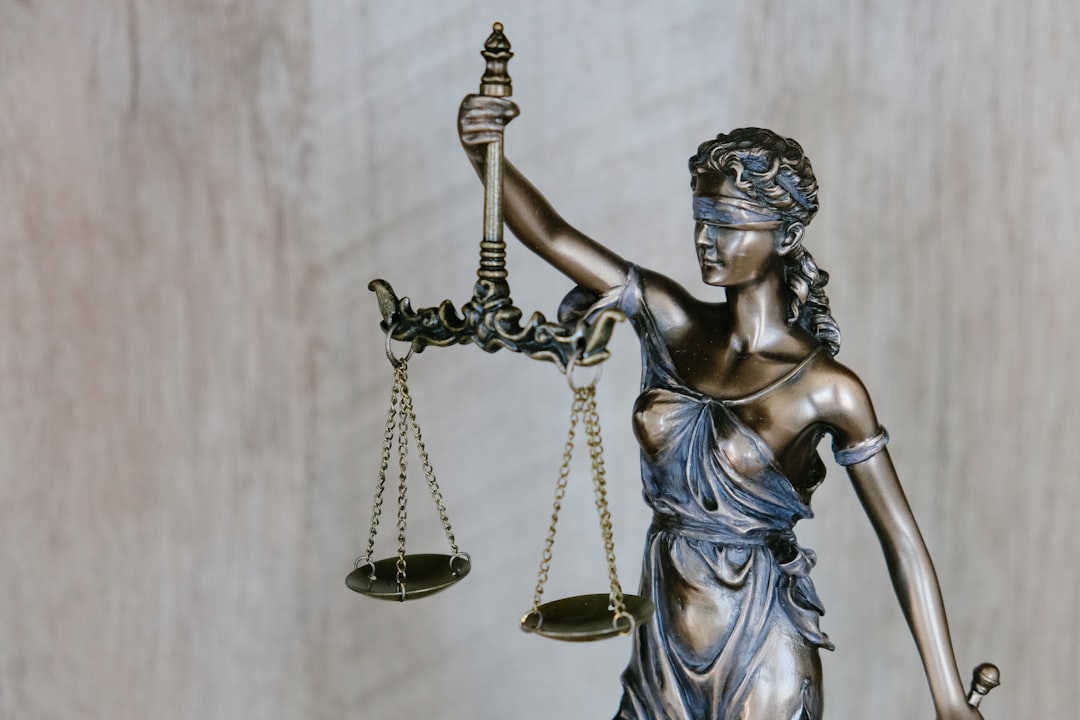
Robocalls have become a pervasive issue across Maine, with millions of unwanted calls flooding residents' phones daily. These automated messages, often used for marketing or political purposes, can be intrusive and disruptive. Understanding robocall laws in Maine is crucial for citizens to protect their privacy and manage these incessant calls effectively.
Maine has implemented specific regulations to combat this growing problem. The state's robocall laws are designed to give residents control over their phone lines and provide mechanisms for reporting and blocking unwanted calls. According to the Maine Public Utilities Commission, businesses must obtain explicit consent from consumers before initiating automated telemarketing calls. This includes pre-recorded messages or artificial voices used to promote products or services. Non-compliance can result in significant fines, emphasizing the state's commitment to protecting its citizens from intrusive robocalls.
Despite these laws, navigating the complex landscape of robocall regulations can be challenging. Consumers must stay informed about their rights and actively manage call settings to reduce unwanted calls. Utilizing robocall blocking apps is a practical step towards reclaiming control over one's phone line. Experts recommend choosing apps that offer advanced filtering options and are regularly updated to block new types of spam calls. By combining technological solutions with knowledge of the law, Maine residents can create a more peaceful and less distracting communication environment.
Evaluating Top Robocall Blocking Apps for Maine Users

In Maine, as across the US, robocalls remain a persistent nuisance, driven by evolving technologies and ever-changing tactics. Effective robocall blocking becomes not just a convenience but a necessity for residents seeking to protect their privacy and peace of mind. Evaluating top robocall blocking apps involves a nuanced understanding of current robocall laws in Maine, which, while robust, require dynamic solutions capable of keeping pace with the ever-mutating call patterns.
Key factors inform our expert picks: accuracy rates in identifying and blocking calls, user privacy protections, ease of use, and compatibility with both iOS and Android devices. Apps like TruthFinder and CallGuardian stand out for their advanced AI-driven technology, achieving high accuracy rates in detecting not just traditional telemarketing calls but also political robocalls and scam attempts, all while adhering to Maine's strict no-call registry laws. These apps offer transparent data collection practices, ensuring user privacy remains paramount.
Additionally, robust features like call history analysis, custom blocking lists, and automatic update mechanisms enhance their effectiveness. While many apps require subscription models for access to advanced functionalities, some offer basic blocking at no cost, providing a solid first line of defense against unwanted calls. Ultimately, the best app depends on individual needs, but these top choices exemplify the cutting edge of robocall protection, tailored to Maine's regulatory framework and designed to keep residents safe in today's digital landscape.
Key Features to Look For in Robocall Protection Software
Installation and Setup: Ensuring Effective Robocall Blockage

The installation and setup process of robocall blocking apps is a critical step in ensuring effective protection against unwanted automated calls, particularly in Maine where strict robocall laws are in place. A robust app should offer seamless integration with your device's operating system, allowing for automatic filtering and blocking without compromising your phone's performance or requiring constant manual intervention. Upon download, users should be guided through a straightforward setup process that includes configuring call preferences, defining blocklists, and personalizing settings according to their needs.
During installation, it is crucial to review the app's permissions. Reputable blocking apps only request necessary access, such as managing calls and sending SMS messages. Users in Maine, where robocall regulations are stringent, should ensure the app complies with local laws, respecting privacy rights while offering robust protection against malicious or intrusive calls. A well-designed app will provide clear, concise explanations for each permission, fostering user trust and confidence.
Effective setup also involves customizing blocklists to suit individual preferences. Users can manually add numbers to these lists based on specific criteria—be it known spammer ranges or local area codes prone to robocalls. The app should offer intuitive tools to manage these blocklists, allowing for easy updates as new robocall patterns emerge. Regularly updating the app and its blocking mechanisms is essential, as new robocall technologies constantly evolve, requiring proactive solutions to stay ahead of scammers and nuisance callers.
User Reviews and Best Practices for Optimal Results

Robocall blocking apps have become an essential tool for Maine residents navigating the complex landscape of unwanted calls, especially with the ever-evolving robocall laws in place. When choosing an app, user reviews offer a valuable insight into performance and reliability. Top-rated apps like TrueCall and Hiya consistently receive praise for their extensive call blocking capabilities and accurate detection rates. These platforms leverage machine learning to adapt to new robocall patterns, ensuring users stay protected even as scammers devise novel methods.
Optimal results require a strategic approach. Users should consider app features beyond simple blocking, such as call identification and reporting mechanisms. For instance, Hiya's user-friendly interface allows for quick identification of known spam calls, fostering a proactive defense against robocalls. Regular updates are crucial; apps that integrate with local robocall laws and databases ensure users receive the most current protection. Maine residents should actively engage with app settings, customizing filters to suit their preferences and needs.
Additionally, combining these tools with best practices like verifying caller IDs, hanging up on suspicious calls, and registering with the National Do Not Call Registry can significantly enhance protection. By adopting a multi-layered approach, Mainers can effectively combat robocalls, leveraging technology alongside informed habits to reclaim control of their communication channels.