Maine residents face persistent robocalls despite federal and state laws. Scammers use advanced technology to bypass traditional networks. Legal experts offer guidance on blocking calls, seeking compensation, and protecting against scams. Apps like TrueCall and Hiya provide AI-driven protection. Combining legal measures with call-blocking tools offers robust defense. Consulting a lawyer for robocall laws Maine is crucial for navigating legal actions and reclaiming control over communication channels.
In today’s digital age, robocalls have become a pervasive nuisance, with millions of Americans across Maine receiving unwanted calls daily. This relentless deluge of automated messages, often disguised as legitimate businesses or government agencies, not only disrupts our peace but also raises significant privacy concerns. While traditional blocking methods offer some relief, they are not foolproof. To effectively combat this modern-day frustration, individuals in Maine increasingly turn to specialized apps designed to identify and block robocalls. This article explores the most robust and user-friendly app solutions available, offering practical guidance for Maine residents seeking to reclaim their communication channels from these relentless digital intruders—even with the aid of a lawyer for robocall laws Maine when necessary.
Understanding Robocalls in Maine: Legal Framework

In Maine, robocalls remain a pervasive and frustrating issue for many residents. These automated phone calls, often used for telemarketing or fraudulent schemes, are protected by both federal and state laws. The Telephone Consumer Protection Act (TCPA) at the federal level prohibits businesses from making certain types of automated or prerecorded calls to consumers without prior express consent. Similarly, Maine’s Unfair or Deceptive Acts Act (UDAA) supplements these protections, making it illegal for callers to use deceptive or aggressive tactics when making robocalls within the state.
Despite these legal safeguards, Maine residents still face a deluge of unwanted robocalls daily. This is partly due to advancements in call-routing technology that make it easier for companies to circumvent traditional phone networks. As such, a robust legal framework alone may not fully address the problem. Seeking advice from a lawyer specializing in robocall laws in Maine can provide valuable insights into navigating these complex issues. Experts in this field can help individuals understand their rights, take proactive measures to block calls, and potentially seek compensation for unlawful robocalls.
Moreover, staying informed about recent legal developments is crucial. For instance, the TCPA has been amended over time to adapt to new technologies, expanding its reach to include texts and faxes in addition to voice calls. Maine’s UDAA also continues to evolve to keep pace with emerging scams. Keeping abreast of these changes ensures that residents can effectively protect themselves against robocallers taking advantage of loopholes or using novel tactics.
Identifying & Blocking Common Robocall Scams

Robocalls have become a pervasive issue across Maine, with scammers utilizing automated dialing systems to bombard residents with unwanted calls. These fraudulent schemes often target vulnerable individuals, attempting to steal personal information or gain financial advantages. Identifying and blocking these common robocall scams is an essential step in protecting oneself. Recognizing the tactics employed by these criminals is crucial, as it enables Mainers to take proactive measures to safeguard their privacy and finances.
One of the most prevalent robocall scams involves calls purporting to be from government agencies or reputable organizations. Scammers pose as IRS agents, local utility companies, or even financial institutions, demanding immediate action and sensitive information. For instance, a recent trend has seen scammers impersonating Maine’s Department of Public Safety, claiming non-payment of taxes or fines and threatening arrest unless the recipient provides bank details. Such calls are often urgent and intimidating, aiming to trap recipients into making hasty decisions without verification. A lawyer for robocall laws in Maine emphasizes that these tactics are designed to exploit fear and confusion, highlighting the importance of calm assessment and due diligence.
Effective blocking and identification strategies include utilizing robust call-blocking apps specifically tailored to identify and filter out robocalls. These applications use advanced algorithms to analyze calling patterns and known scammer lists, automatically blocking suspicious numbers. Additionally, consumers should verify the authenticity of any unexpected calls by contacting the organization directly using official contact information obtained from reliable sources. By adopting these measures, Maine residents can significantly reduce their exposure to robocall scams and gain a measure of control over their communication channels.
Top Anti-Robocall Apps for Your Smartphone

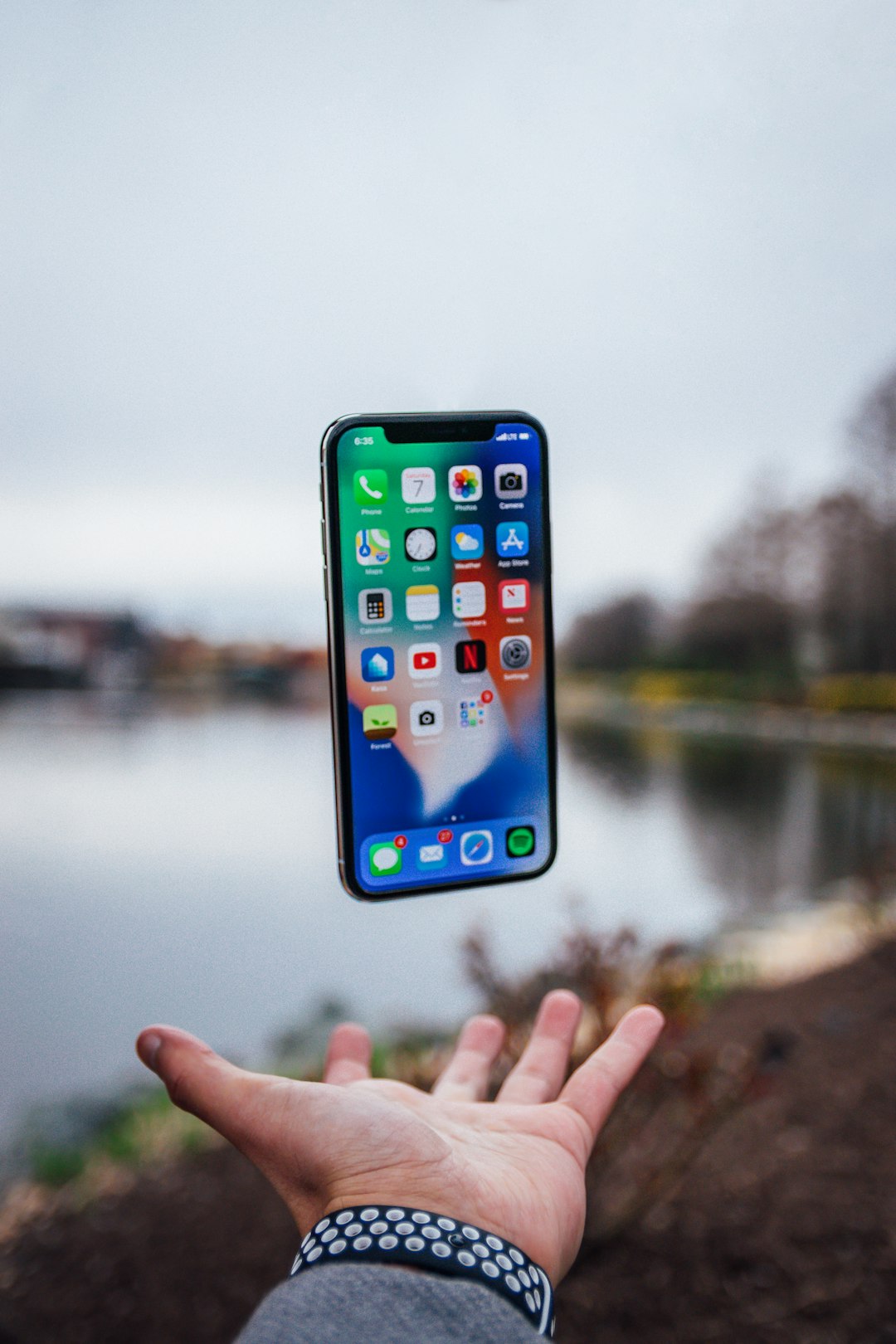
In today’s digital age, robocalls have become a ubiquitous nuisance, with millions of Americans falling victim to these automated scams each year. Maine residents are no exception, facing an increasing number of unwanted calls from telemarketers and fraudsters. Fortunately, numerous anti-robocall apps offer robust protection for your smartphone, providing a much-needed shield against this modern-day scourge. These applications leverage advanced technologies like AI and machine learning algorithms to identify and block suspicious calls, ensuring a safer digital experience.
Top-rated apps such as TrueCall, Hiya, and NoMo Robocalls stand out for their comprehensive features and effectiveness. TrueCall, for instance, utilizes crowd-sourced data to detect and block robocalls in real time, while Hiya leverages a global network of call intelligence to identify and filter unwanted calls. NoMo Robocalls distinguishes itself with its ability to automatically silence or redirect incoming robocalls, allowing users to focus on genuine communications. Each of these apps offers additional features like call history analysis, custom blocking lists, and comprehensive reporting, empowering Maine residents to take control of their digital lives.
While these apps provide a powerful first line of defense, it’s essential to remember that no solution is foolproof. Scammers are constantly evolving their tactics. Therefore, combining app-based protections with proactive measures such as registering your number on the National Do Not Call Registry and seeking legal counsel from a specialist in Maine robocall laws can significantly enhance your defenses. Consulting with an experienced lawyer for robocall issues in Maine can help you understand your rights and explore legal avenues to hold scammers accountable, ensuring a more secure and peaceful digital experience.
Seeking Legal Recourse with a Maine Lawyer

In addition to employing robust blocking apps, individuals in Maine facing a deluge of robocalls may also seek legal recourse. Engaging a lawyer for robocall issues in Maine can offer several advantages. Legal professionals specializing in this area possess in-depth knowledge of state laws and federal regulations governing telemarketing practices, such as the Telephone Consumer Protection Act (TCPA). These laws empower consumers with significant remedies, including monetary damages and injunctive relief, against companies or individuals making unauthorized automated calls.
A Maine lawyer specializing in robocalls can help navigate complex legal procedures, draft cease-and-desist letters to intrusive callers, and even represent clients in court if necessary. They can also assist with documenting the extent of the harassment, gathering evidence, and pursuing appropriate actions. For instance, a successful case against a rogue caller could result in substantial penalties for the infringer, deterring future violations. However, it’s crucial to act promptly; according to recent data from the Federal Trade Commission (FTC), Americans lost over $14 billion to robocall scams in 2021, underscoring the urgent need for intervention.
When considering a lawyer for robocall issues in Maine, individuals should look for attorneys with demonstrated expertise in telecommunications law and a proven track record of successfully representing clients against telemarketing abuse. Referrals from trusted sources or thorough online research can help identify qualified professionals. Proactive legal measures, combined with the right tools to block calls, offer the best line of defense against relentless robocalls.
Staying Ahead: Future-Proofing Against Robocalls

Staying ahead of robocalls is an ongoing battle, and as technology evolves, so do these unwanted intrusions. To effectively combat robocalls in Maine, individuals must adopt a proactive approach, leveraging advanced tools and staying informed about legal protections. One powerful strategy involves utilizing apps designed to identify and block these calls, offering a robust defense against persistent telemarketers.
Many reputable applications employ sophisticated algorithms and machine learning to recognize patterns and filter out spam. For instance, TrueCall or Hiya are renowned for their ability to detect and block robocalls with high accuracy. These apps not only identify known spam numbers but also learn from user reports, continually refining their databases. By integrating these tools into your communications, you create a formidable first line of defense against unwanted calls.
Moreover, understanding the legal framework is essential. The Telephone Consumer Protection Act (TCPA) in Maine provides substantial protections for residents. A lawyer specializing in robocall laws can offer valuable guidance on enforcing your rights and navigating potential legal actions. Staying informed about these legal aspects empowers individuals to take proactive measures and ensure their privacy. Regularly updating call-blocking apps and consulting with legal experts ensures a comprehensive strategy, enabling Mainers to reclaim control of their communication channels.